|
When
the volcano erupted in 2006 in Sidarojo province, there were
10,000 destroyed homes and more than 75,000 displaced
people. Now at least 10,000 people are still living in
camps, sharing a few bathrooms and the delivering of clean
water and food stopped many weeks ago.
The
government built levees of 18 meters to contain the mud,
other plans like plugging the hole with cement balls are
still in the sheets. There is a decree which states that the
affected families will by paid the amount of
u$s9,000 in early 2009 and those who co-own houses
and farms, will be paid u$s2670 per month, according to the
seven-year programme propossed by the gas company, Lapindo
Brantas.
|
 |
|
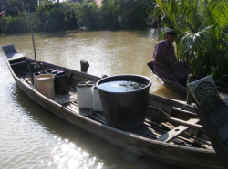
People
now work as touristic guides and some of them
had an increase in their income.
|
|
|
The
company, Lapindo Brantas, agreed to pay compensation to locals
without accepting liability for the mudflow
and
according to them the eruption was caused by an earthquake occured
250 km away, and that it was not a drilling accident.The company
has received several comments of disagreement proceeding from
specialists and injured people.
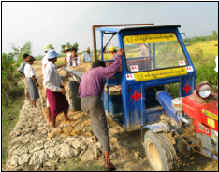
Now
the displaced people are working as everything they can, one new
job refers to tourism, other sells DVD footage
of the ongoing disaster,
and some people started to earn more money, but these are not
steady jobs. The situation is kind of tense, because maybe
tomorrow people will have no money for eating, and this is an
increasing problem due to the fact that competition is turning
things in a bad way.
One
good news was that on 21 December, the government announced it was
prepared to set aside RP82 billion ($7.5 million) from the 2009
budget to help four additional villages affected by the mudflow.
One
of the most important problem is that the sinking mud is producing
gas leaks and this
threats people who lives in defective houses. In some villages,
there are houses with cracks and if someone make a mistake, the
entire house could start to burst. So people are taking extreme
cautions on the theme.
Ahmad
Zulkarnaen,spokesman for the Disaster Respose Agency said the
focus was no longer on stopping the flow after numerous attempts.
Instead, the agency, which is using government funds to rebuild
infrastructure and maintain the dam walls containing the disaster
site, is focusing on shipping the mud out to sea via the Porong
River. The worst thing is that polluting the river and affect sea
life and human life sounds as the best way to solve this problem.
|